Quick Answer
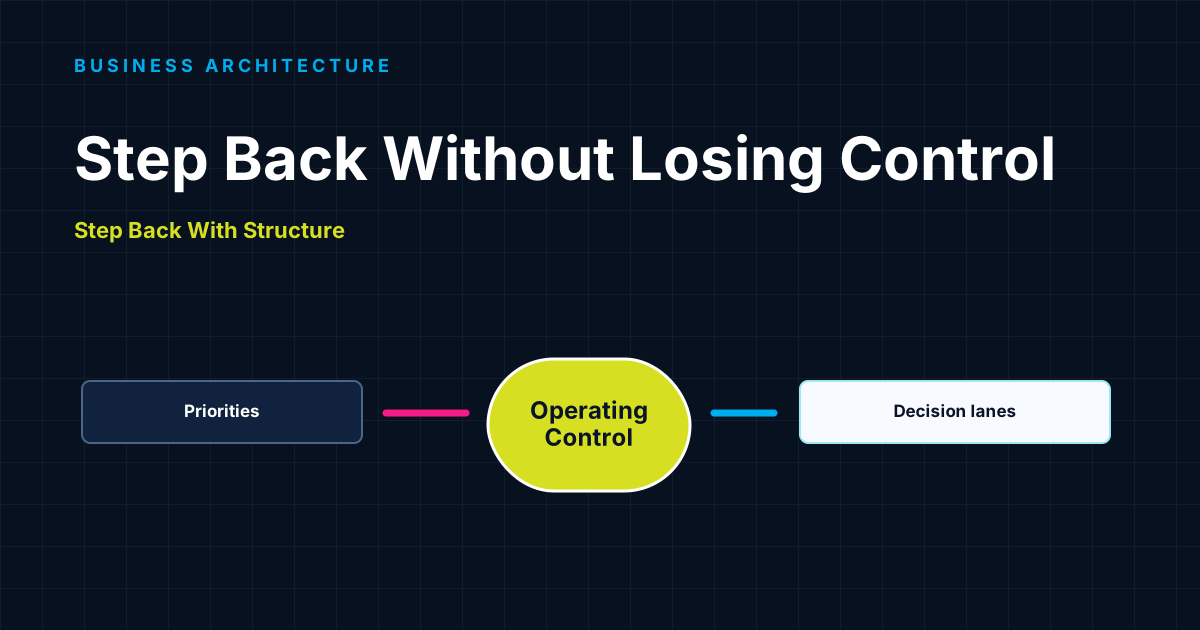
When growth starts creating more chaos instead of more freedom, build the operating architecture that lets priorities, work, decisions, and accountability move without escalating through the founder.
The Core Idea
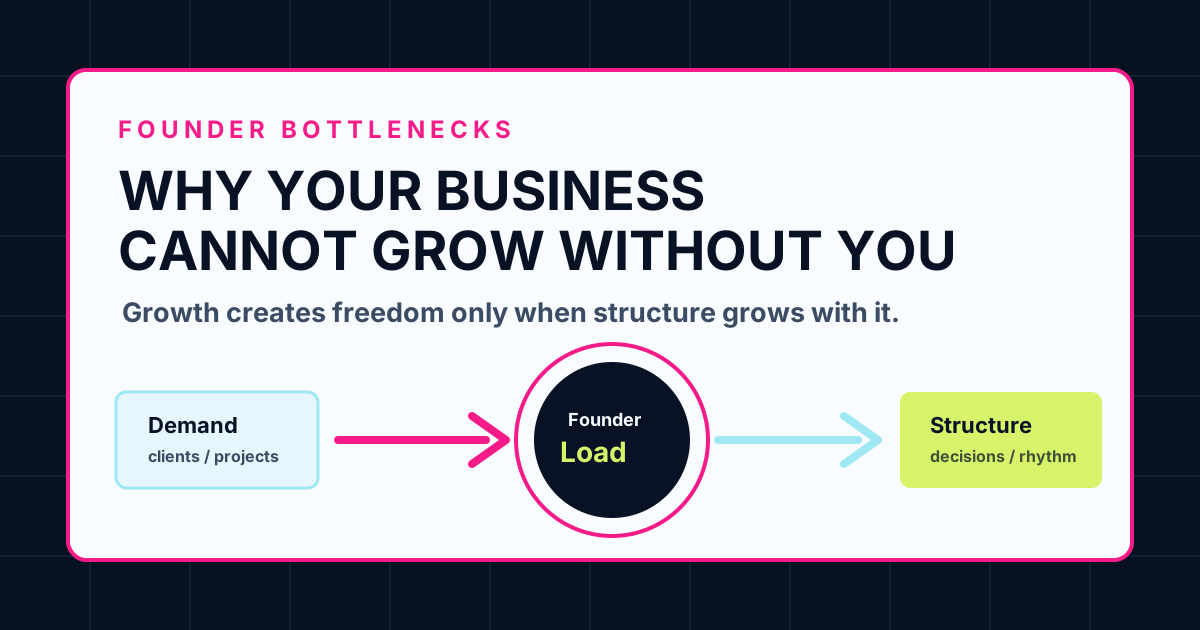
Growth is a stress test for the operating system.
Every new client, offer, team member, and project increases the number of handoffs, decisions, tradeoffs, and exceptions in the business. If those are held together by founder memory and informal coordination, growth multiplies founder load. Operating architecture makes the important connections visible enough for the organization to carry them.
Why This Happens
Businesses often invest in capacity before coordination.
Hiring, software, and new offers are visible growth investments. Role clarity, workflow design, decision rights, and review rhythm are less visible, so they are often delayed. The result is a larger business running on an operating model built for a smaller one.
The PROGRESS Lens
See where growth is creating delay, rework, confusion, or founder intervention.
Find the lead structural constraint rather than treating every symptom as separate.
Define the few outcomes the growing business must protect.
Add the roles, tools, standards, and operating agreements that support those outcomes.
Identify where growth could damage margin, quality, client trust, or leadership capacity.
Build the smallest useful layer of structure, test it, and then extend it.
Mini Case
A bigger team did not need more meetings. It needed a clearer operating picture.
A founder added sales, delivery, and support capacity as demand grew. Instead of getting relief, the founder spent more time resolving priorities and client escalations. The company created a shared weekly operating review, defined the client-delivery workflow, named outcome owners, and clarified the decisions team leads could make. The company did not become less ambitious. It became less dependent on improvisation.
What To Do Next
Strengthen the five layers growth puts under pressure.
Clarify the current priorities
Give the team a short list of outcomes and tradeoffs that matter now.
Name outcome owners
Make one person accountable for each important cross-functional result.
Map the critical workflows
Focus on where demand, delivery, cash, or client experience is most exposed.
Define decision rights
Move routine decisions to the people closest to the work with clear risk boundaries.
Install an operating rhythm
Review performance, risks, decisions, and commitments before they become founder emergencies.
Common Mistakes
Avoid treating growth chaos as a capacity problem only.
Adding people before clarifying the work
More capacity can amplify unclear coordination.
Buying tools to compensate for missing ownership
Software cannot decide who owns the outcome.
Letting every priority become urgent
The team needs tradeoff rules, not a longer list.
Creating meetings without decisions
Rhythm should surface and resolve operating issues, not report activity.
Rebuilding everything at once
Strengthen the lead constraint first.
Waiting for a major failure
Structural drag is cheaper to address before client trust or margin is damaged.