Business Architect for Founder-Led Companies
About Steven Lin.
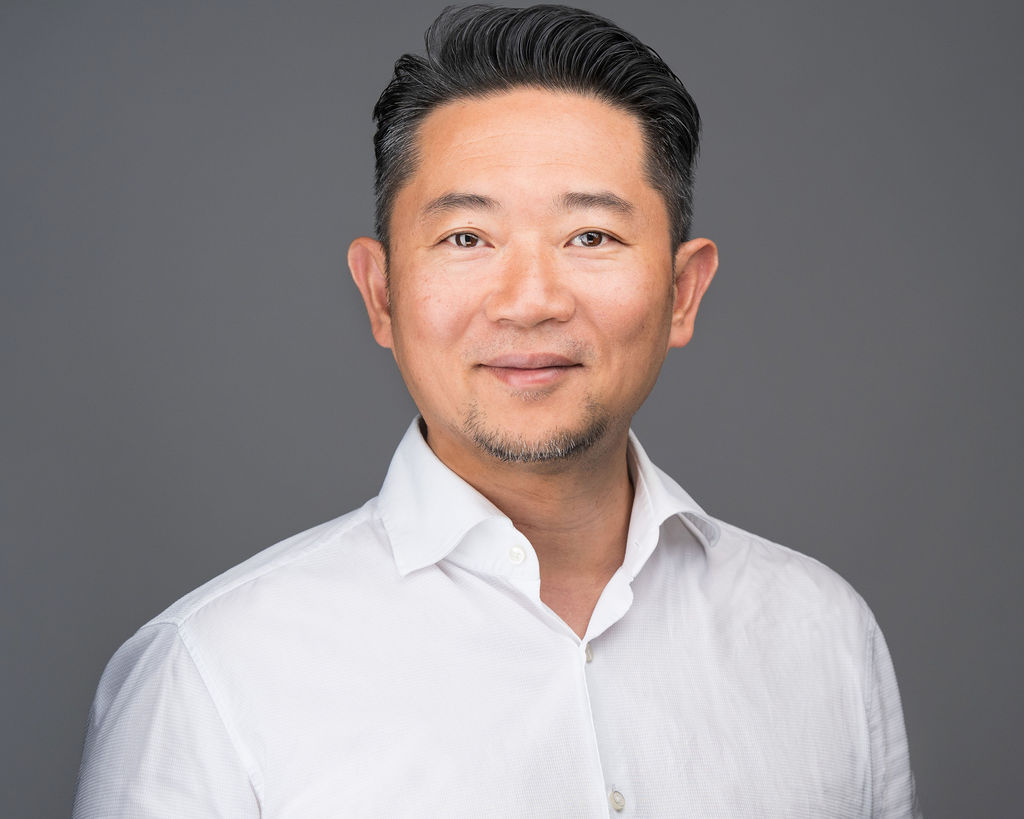
Steven is a Vancouver-based business architect and systems strategist who helps founder-led companies remove operational bottlenecks and build scalable infrastructure.
His work is built around a simple belief: successful founders do not need more motivation. They need better architecture.
Not sure where founder dependence is showing up?
Start with the Scale Readiness Diagnosis before you redesign the team, process, or next hire.
From High-Stakes Systems
Weak systems are not abstract when execution has real consequences.
Steven began his career managing complex project executions for organizations including Electronic Arts and Teck Resources.
In environments like that, the operating blueprint matters. Decisions need owners. Handoffs need clarity. Risk needs redundancy. Execution needs rhythm.
Today, Steven applies those same architectural principles to founder-led companies that have grown beyond hustle but have not yet built the operating infrastructure to support the next stage.
High-stakes execution
Projects need owners, handoffs, redundancy, and rhythm.
Translation
Operating principles become founder-led business architecture.
Founder-led scale
Teams need decision rights, standards, dashboards, and accountability.
Why Business Architecture
Many founders do not have a demand problem. They have a dependency problem.
The business depends on their memory, taste, urgency, approvals, client judgment, team coaching, and problem solving. Revenue may be growing, but the founder is still trapped inside the operating structure.
Steven's work bridges the gap between having an expensive job and owning a scalable asset.
Founder Memory
Critical knowledge lives in the founder's head instead of a shared operating hub.
Decision Drag
The team waits for approval because decision rights are unclear or untrusted.
Invisible Standards
Quality depends on founder taste, correction, or last-minute intervention.
Growth Friction
More demand creates more coordination, questions, and operational weight.
The PROGRESS Framework
A practical structure for reducing founder dependence.
Steven installs the PROGRESS Framework to help founders move from manual hustle to systemic predictability.
See the current operating reality clearly.
Find the lead bottleneck creating drag.
Define the outcomes the business must support.
Clarify the human ROI the business should create.
Identify the roles, tools, and support required.
Reduce risk from undocumented knowledge and fragile workflows.
Connect scale to the founder's deeper direction.
Turn diagnosis into a focused 90-day sequence.
Working Philosophy
Steven does not help founders cope with operational chaos. He helps remove the structural failures that create it.
Identify what is actually happening inside the operating model.
Separate loud symptoms from the lead bottleneck.
Turn founder judgment into shared standards and operating resources.
Define ownership, decision rights, and accountability rhythms.
Buy back the founder's strategic capacity and reduce decision fatigue.
Client Words
Clients come for clarity. They leave with structure, momentum, and a plan they can act on.
"Steven helped us get on the same path and develop a plan we both could follow."
K C"Steven has developed a thoughtful framework that blends reflection with just the right amount of accountability."
Lindsey N."Steven's Progress Lab provided structure and guidance to help me organize a workshop with clarity."
Mike R."A powerful catalyst for clarifying my motivation and building momentum on a meaningful project."
Tamara H.About FAQ
Clear answers about Steven Lin and his work.
Who is Steven Lin?
Steven Lin is a Vancouver-based business architect and systems strategist who helps founder-led companies remove operational bottlenecks and build scalable business systems using the PROGRESS Framework.
What does Steven Lin help founders with?
Steven helps founders reduce dependence on their daily involvement by improving roles, workflows, SOPs, team accountability, decision structures, dashboards, and operating cadence.
Is Steven Lin a business coach?
Steven's work overlaps with business coaching, but his positioning is more systems-driven. He focuses on business architecture: the roles, workflows, decision rights, operating cadence, and leadership framework that allow a company to scale beyond the founder.
What is Steven's background?
Steven has experience managing complex operational environments for organizations including Electronic Arts and Teck Resources. He has also served as a Canada Digital Adoption Program Digital Advisor and guided companies through modernization.
How is business architecture different from consulting?
Traditional consulting often produces recommendations. Business architecture focuses on the operating structure founders need to make decisions, delegate ownership, reduce dependency, and execute consistently.
Where should a founder start?
Start by identifying the lead operating bottleneck. The Scale Readiness Diagnosis shows where the business is most dependent on the founder before adding more people, tools, or process.
Find the Bottleneck First
If the business is growing but still depends too much on you, start with the Scale Readiness Diagnosis.
The diagnosis shows which part of the operating structure needs attention first, so you can stop guessing and choose the right next move.